
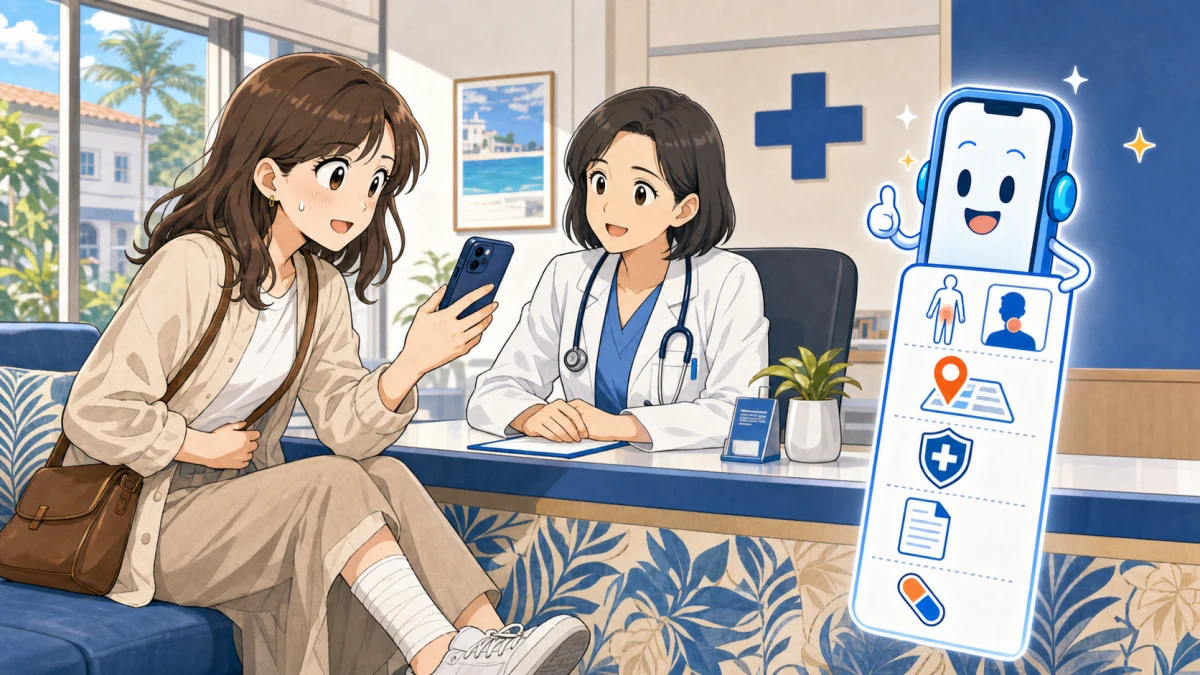
 🆘 Worried about trouble abroad? Travel AI Rescue helps you on the spot — theft, illness, a lost passport, scams & more. See how it works →
Checked against official Nara Prefecture and Nara City pages on 30 September 2026. Deer behavior and park rules can be updated at any time, so if you’re heading to Nara Park with kids or elderly family members, the one thing worth a quick check beforehand is the current feeding-etiquette signage posted at the park itself.
Nara Park’s roughly 1,300 free-roaming deer are one of the most photographed sights in Japan, and for most visitors a trip there is exactly what it looks like on Instagram: deer bowing for a cracker, no drama at all. It’s worth knowing, though, that these are wild animals, not park mascots, and a meaningful number of visitors each year end up with a bite or a kick instead of a photo. None of that needs to scare you off. A couple of habits, described below, are what actually prevent it — and there’s now a rule on the other side of the encounter as well.
Bite-and-kick injuries once hit a recorded high, and most of the people hurt were tourists
Nara Prefecture’s own tally, reported by Nikkei in 2019, found that bite and strike injuries from the deer reached 200 cases in fiscal 2018 — a record at the time, and four times the 50 cases counted when the prefecture started tracking the figure in fiscal 2013. About 80% of the injured were foreign tourists, and while most injuries were minor, eight people suffered fractures from being charged or butted. The pattern the prefecture identified: visitors teasing a deer for a photo — holding out a cracker, then pulling it back to get a better shot — is what tends to trigger the aggressive response, not simply being near the animals.
Since April 2025, harming a deer back is against the rules too
Nara’s deer carry a specific legal status: they’re designated a national Natural Treasure (天然記念物) under Japan’s Cultural Properties Protection Law, a protection tied to their centuries-long history of coexisting with people in the park. As of Nara Prefecture’s own page, a new provision under the Nara Prefectural Urban Park Ordinance Enforcement Rules took effect on April 1, 2025, specifically prohibiting acts that harm the deer — defined as inflicting, or creating a real risk of, external injury to the animals. Because of their Natural Treasure status, this kind of conduct can also fall under the Cultural Properties Protection Law itself, which carries its own penalties. The rule targets deliberate harm, not an instinctive step back from a deer that’s pushing in — but it’s a reminder that a bad encounter isn’t a reason to retaliate against the animal.
What actually stops most bites: how you hand over the cracker
Nara City and the Nara Deer Preservation Foundation, the body that has managed the park’s deer for decades, both point to the same root cause behind most incidents and the same fix. Buy shika-senbei (deer crackers) only from official vendors, and hand the cracker over promptly once a deer approaches — don’t wave it around for a photo first, since a deer that feels teased is the one that turns pushy. Never offer human food (candy, boxed lunches, vegetables); it causes real digestive problems and tooth decay in the animals, on top of making them more aggressive around food in general. The foundation’s guidance also flags two seasonal windows to watch: male deer become notably more aggressive during rutting season, September through November, and does with fawns are easily startled from May into early July. Keeping extra distance from bucks and mothers in those months, especially if you’re traveling with children or elderly relatives, does more than any single warning sign in the park.
There’s no compensation fund — so this is what travel insurance is for
None of the official Nara Prefecture, Nara City, or Deer Preservation Foundation pages describe any compensation or medical-cost support program for visitors injured by the deer. If a bite or kick draws blood or causes real pain, treat it like any other injury in Japan: an ambulance call to 119 is free regardless of nationality, but the emergency-room treatment itself is not, and it’s billed at full price to visitors without Japanese national health insurance. Travel insurance that covers injury and medical costs is what actually stands behind you here — not a park fund, because there isn’t one.
How Travel AI Rescue helps
Travel AI Rescue keeps Japan’s emergency numbers — 119 for an ambulance, 110 for police — one tap away with the country code already attached, so if a deer encounter turns into a real injury, you’re not searching for a number with a bleeding hand. It can display Japanese-language cards describing your situation in plain terms, so hospital staff who don’t share your language can understand what happened right away. And above all, the AI drafts a clear summary of the incident and your symptoms as you describe them — useful both at the ER and later, if you need to document what happened for a travel-insurance claim. Your passport and travel insurance details stay stored and readable on the device even with zero signal, and there’s offline diagnosis for when the eSIM itself won’t connect. It works differently from a staffed help desk or the travel insurance policy itself, and it’s with you around the clock — a bridge that gets you to the right care quickly and in the right words. (Medical treatment itself, and any injury claim, is handled by Japan’s hospitals and your travel insurer, not by Travel AI Rescue.)
Sources
- Nara Prefecture, “天然記念物「奈良のシカ」に対する加害行為の防止について” (On the Prevention of Harming Acts Against the Natural Treasure “Nara’s Deer”). https://www.pref.nara.lg.jp/n111/68838.html (accessed 2026-09-30).
- Nara City, “奈良公園のシカの保護の取り組みについて” (On Nara Park’s Deer Protection Efforts). https://www.city.nara.lg.jp/site/kankou/218245.html (accessed 2026-09-30).
- The Nara Deer Preservation Foundation, “現状と課題” (Current Situation and Challenges). https://naradeer.com/learning/problem.html (accessed 2026-09-30).
- Nikkei, “奈良のシカでけが、最多 外国人観光客ら5年で4倍” (Nara Deer Injuries Hit a Record, Up Fourfold Among Foreign Tourists Over Five Years). https://www.nikkei.com/article/DGXMZO41439840Z10C19A2ACX000/ (accessed 2026-09-30, citing a Nara Prefecture survey).
🆘 Don't just read it — be ready for it.
Travel AI Rescue is an emergency travel AI for theft, illness, SIM trouble & more — auto-drafted police reports, local-language cards and an on-device valuables vault. Bundle it with your eSIM.
See how Travel AI Rescue works →